LudoMusicality
A project about mixing game mechanics with rhythm
An Unity 3D Hack & Slash Game developed around a rhythm synchronizing mechanic. The main intent of this mechanic was to simulate battle as a dance, balancing timing and space.
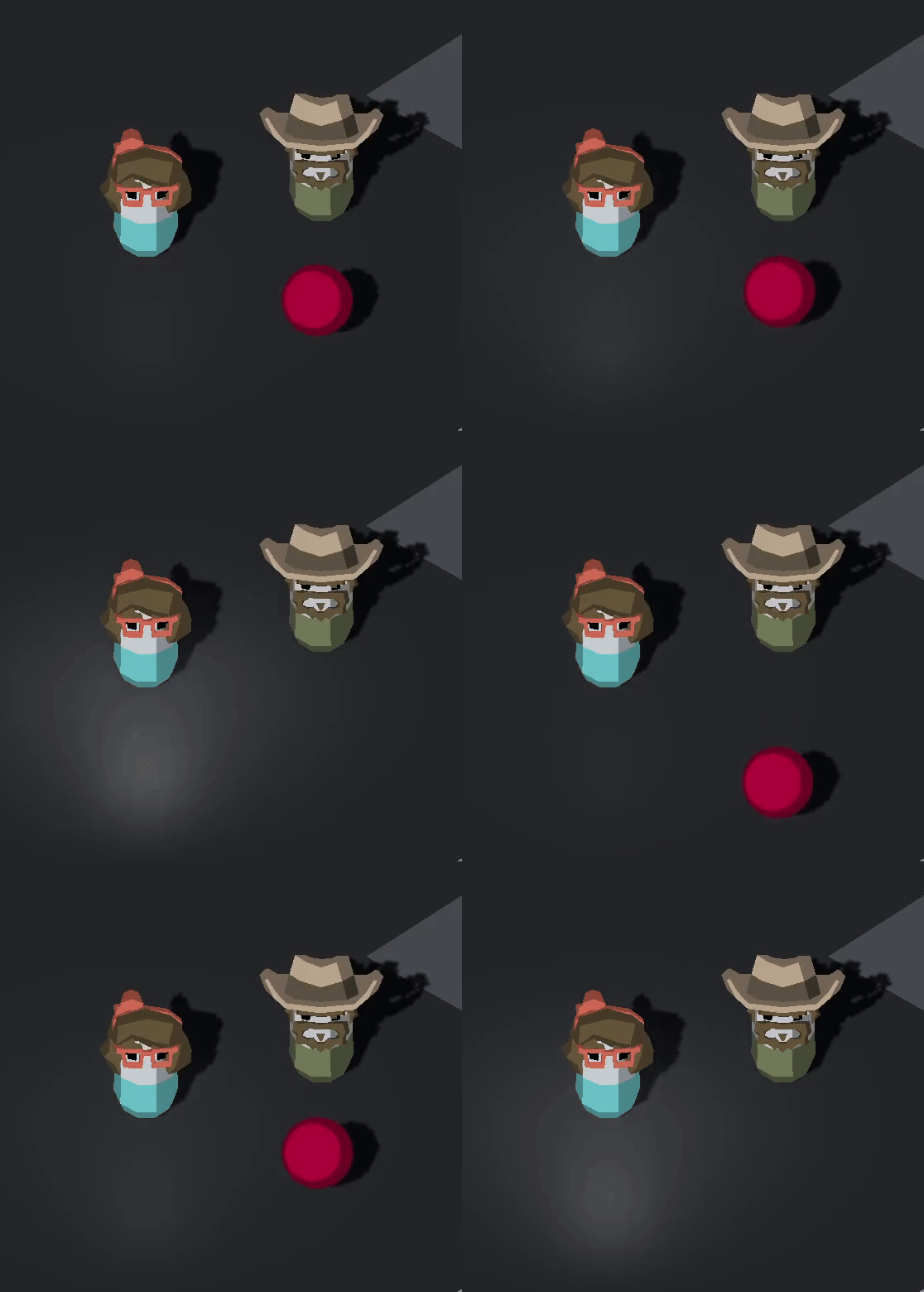
Attack in Sync
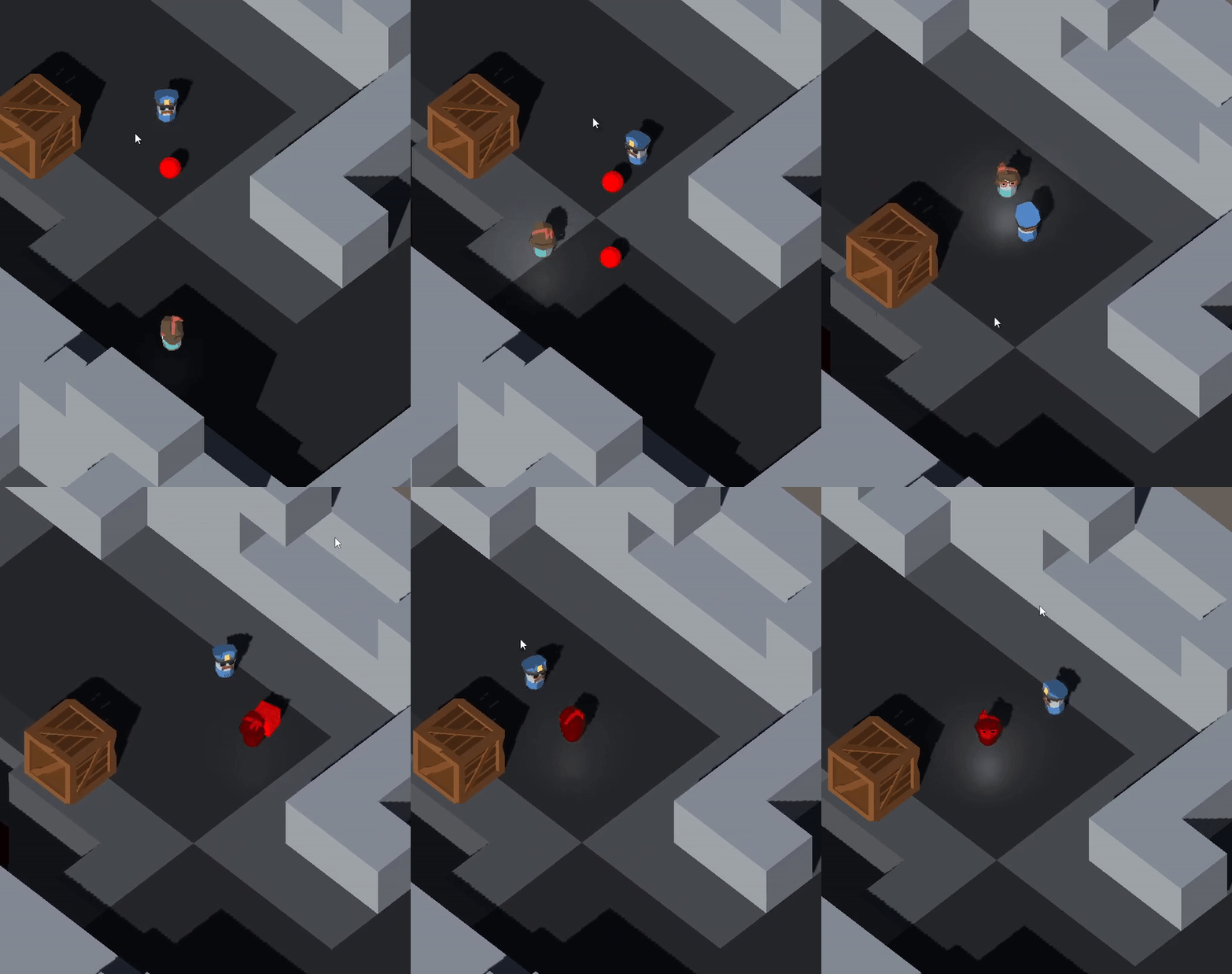
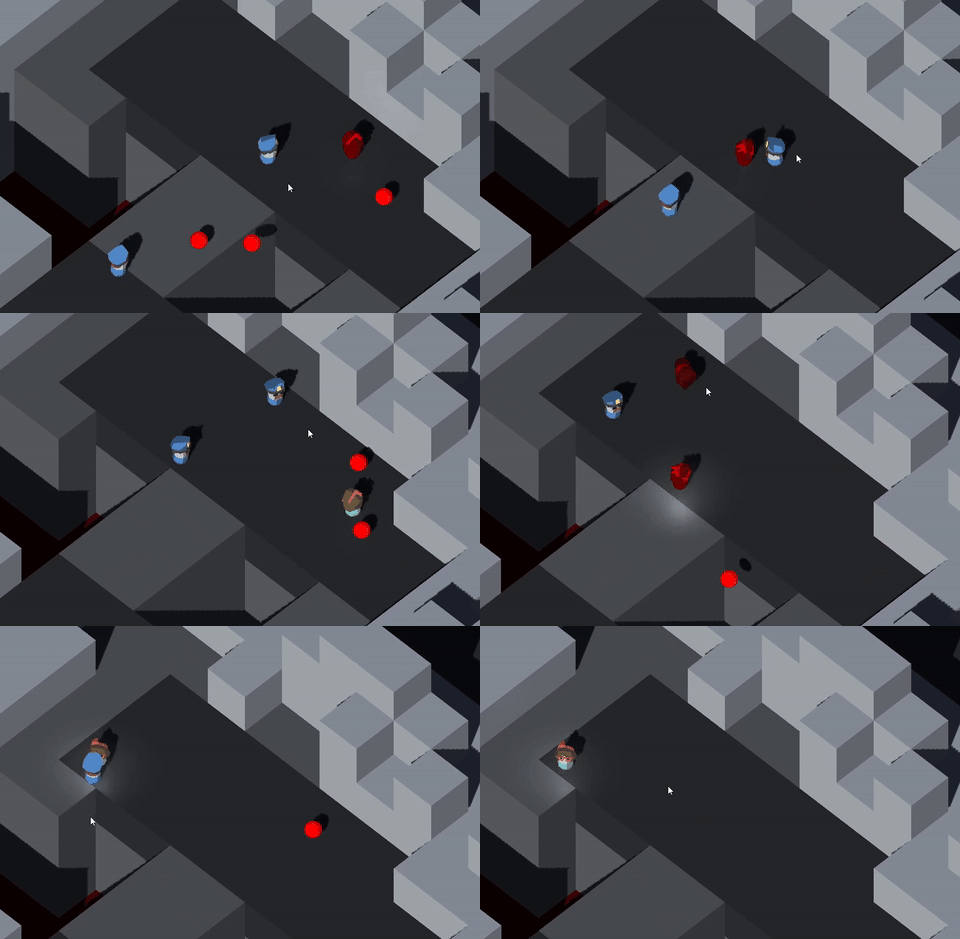
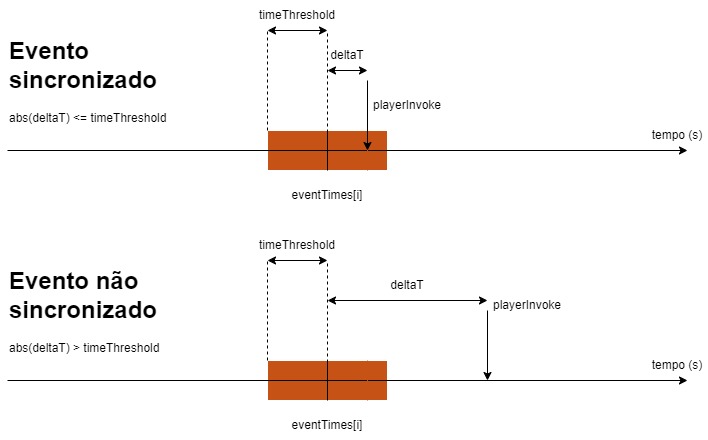
Synchronize your attacks with certain beats of the music (displayed by the shining pulse around the player). If you are successfull, you will output larger, stronger attacks.
Predict enemies
Follow the beat of the music to understand and predict the attack patterns of enemies. Find openings to strike without being harmed.
Explore
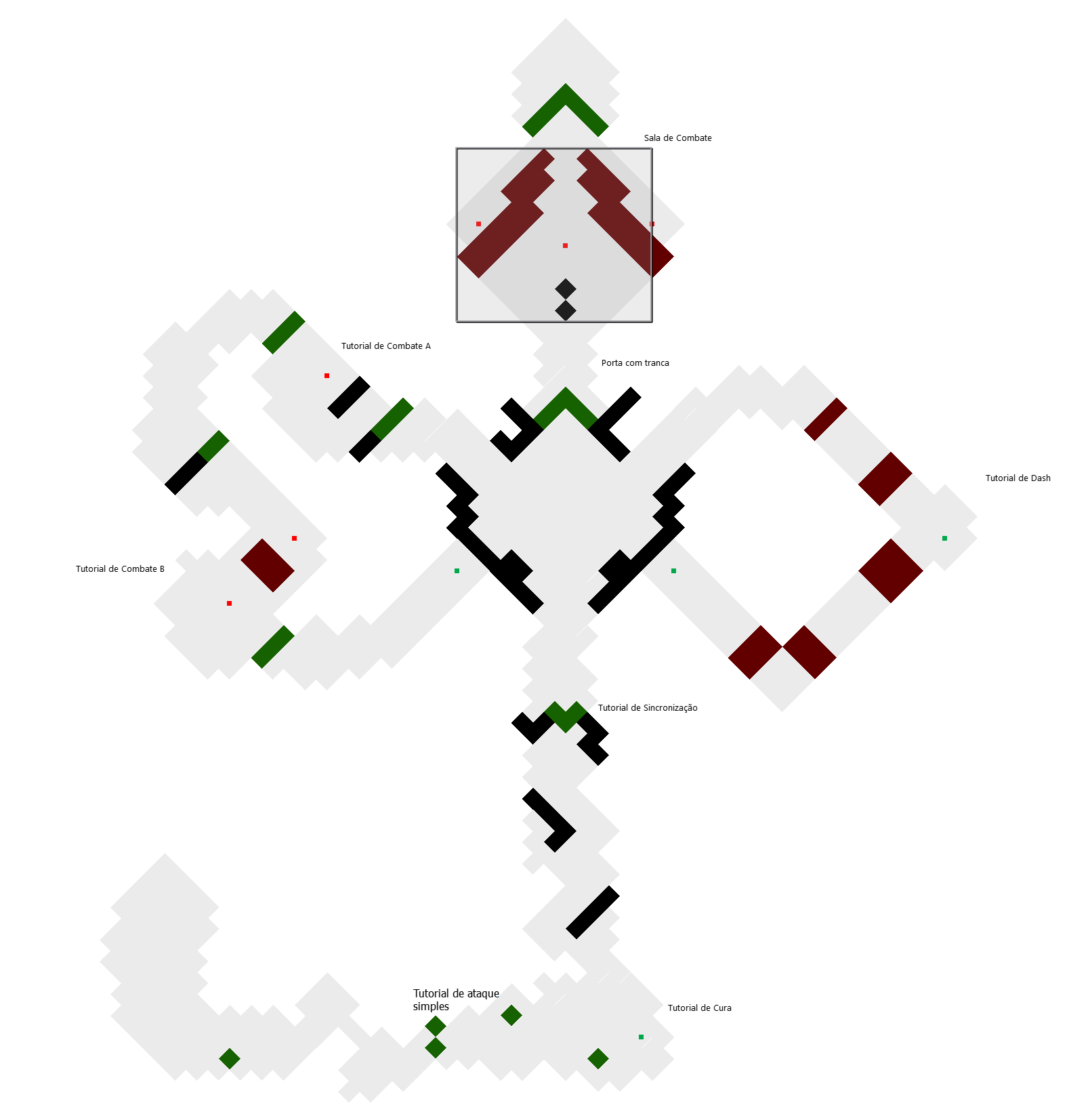
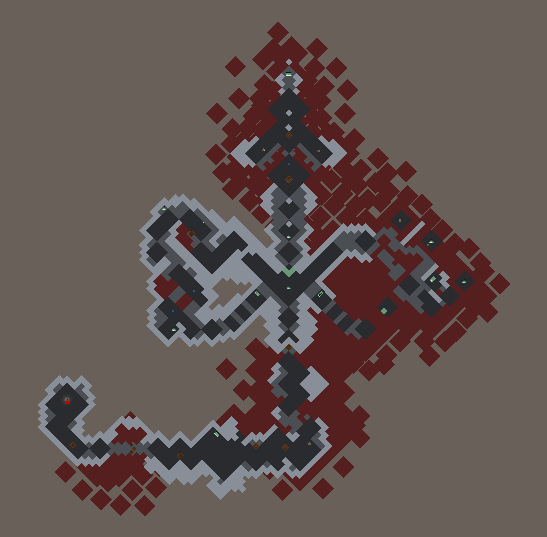
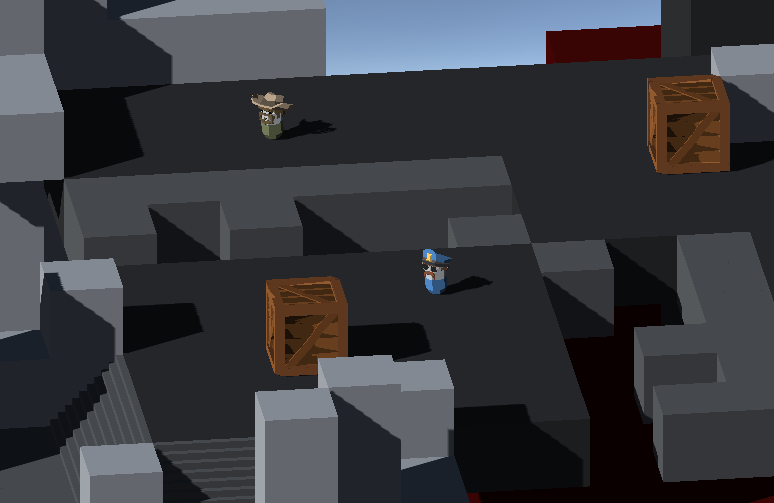
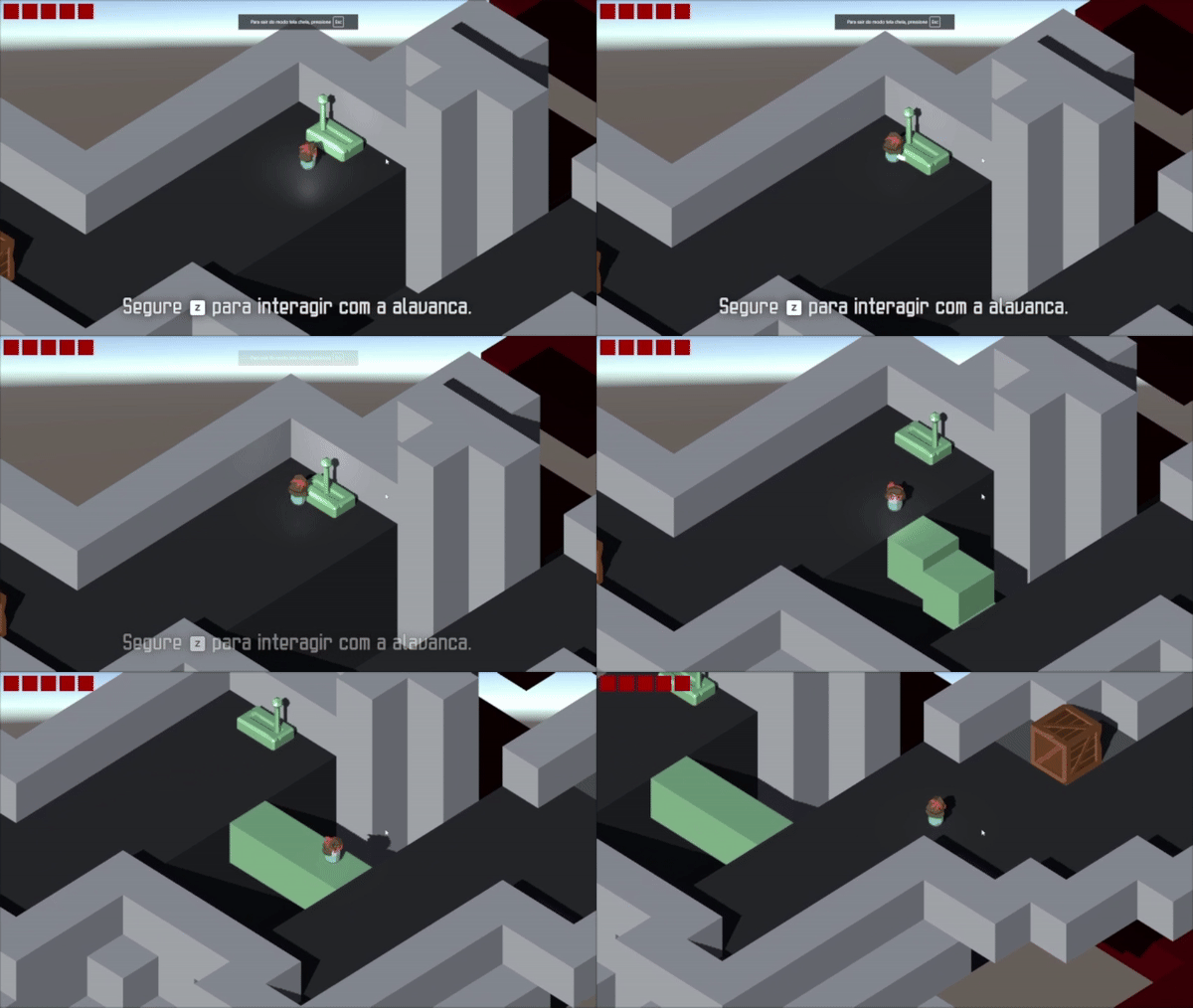
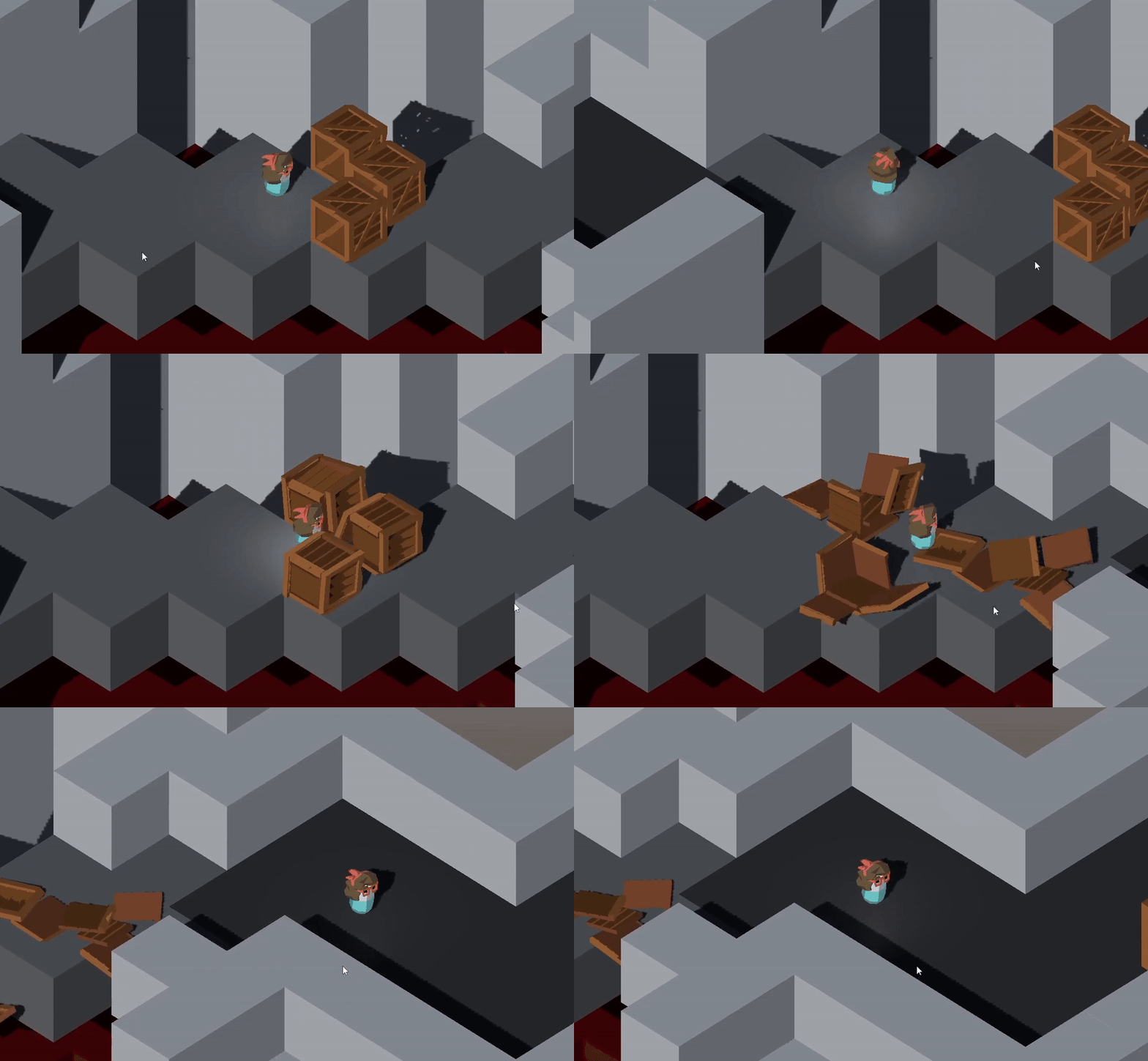
Venture through a carefully designed level, being presented with small puzzles and challenges. Use levers to open doors, and establish bridges, reaching new regions.
Development process
This project was developed solely by me with the mentorship of the Professor Dr. Ricardo Nakamura (from Escola Politécnica da Universidade de São Paulo).
What I did
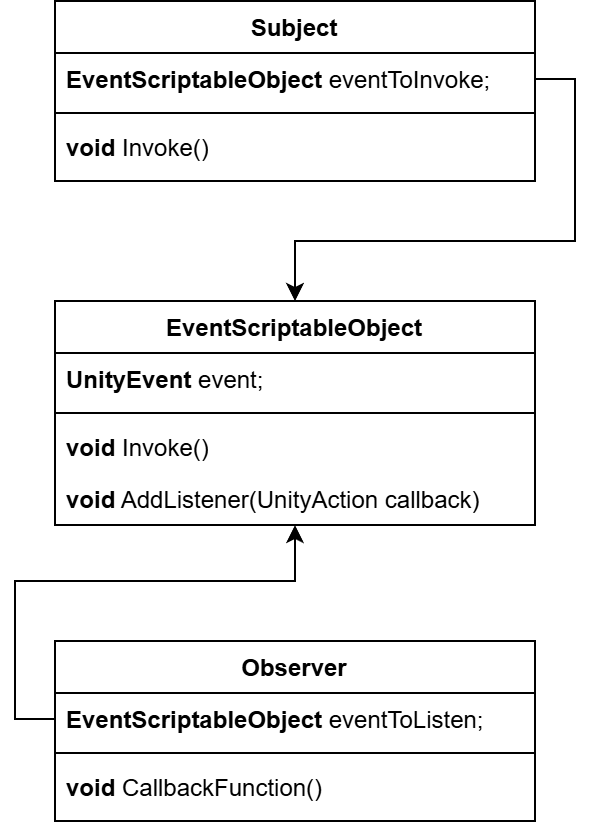
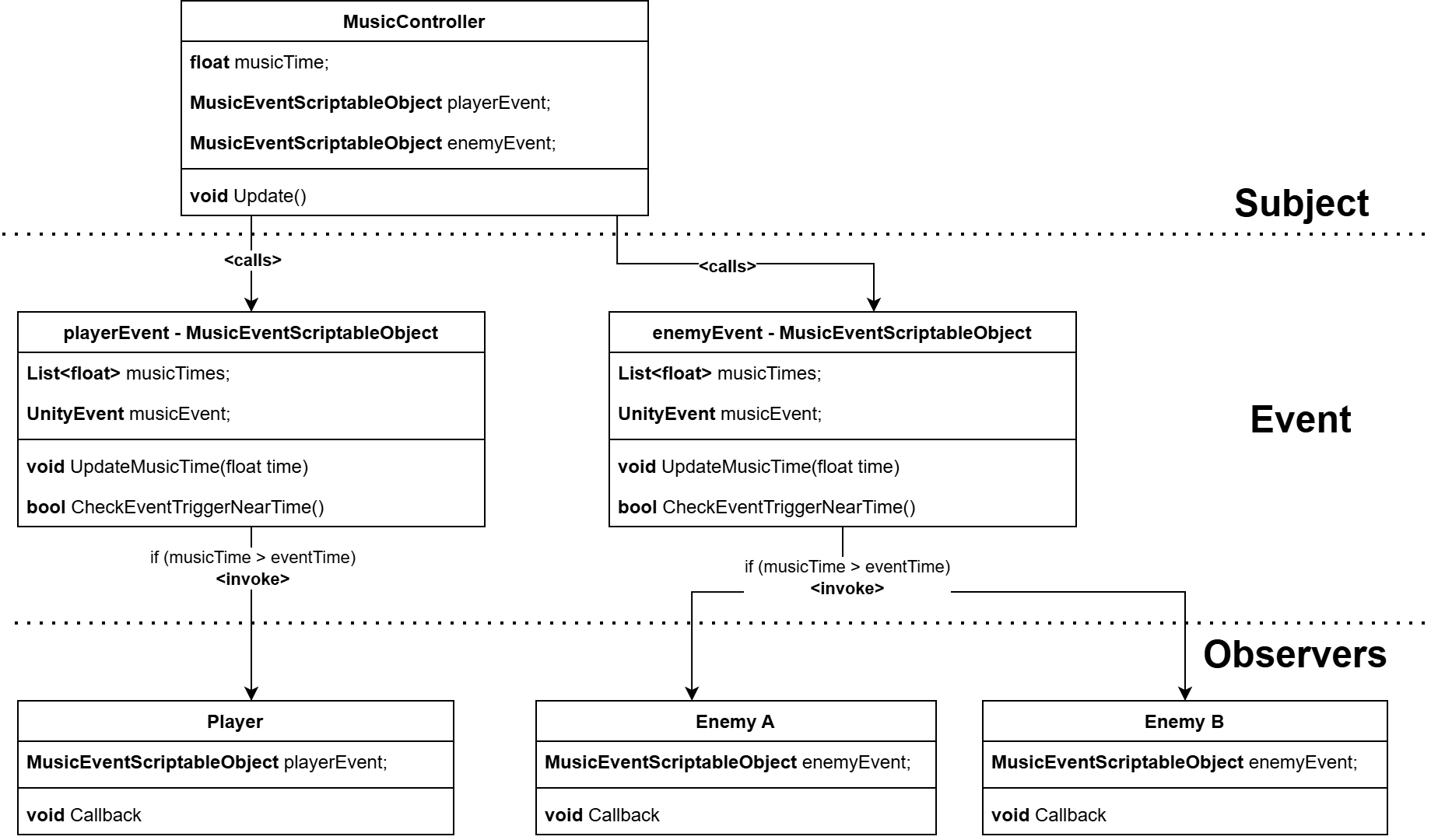
I developed all the game mechanics, including music synchronization, NPC behaviors, player inputs, and attacks. I also composed the soundtrack used for the synchronization mechanic as well as designed the level. Regarding code, I built most systems from scratch, implementing Finite State Machines by hand and creating a custom event system to enable interactions between objects like levers and doors.
The development process lasted about 10 months as a final graduation project, involving two big playtesting phases with iterations on features present in the game. Click here to see the project on Github.
After a first demo was finalized, I made it available for playtesting for students in the university. This offered me a great opportunity to iterate through the biggest flaws of the project as it were (mostly a lack of confusion of game flow and purpose), and produce better levels to engage players better.
The final result includes many tweaks in music tempo, movement speed and enemy health points. The difficulty was adjusted to be a tutorial level and to introduce the main mechanics of the game.
Key Takeaways
This project was a deep dive in the development of various game mechanics and game flow. Its focus in programming and level design allowed for some important takeaways.
Main Challenges
The greatest challenges in development were about writing code that would stand the test of time and still be useful months later, after many iterations of the project.
The two instances of development that were notable for this were the Finite State Machine implementation as well as the Event System. Both were complex to implement but were useful throughout the project and evolved alongside it.
Learning Points
There were two main learning points that I feel were relevant to this project: the lack of allocated time for more playtesting and the importance of good visual elements.
When it comes to playtesting, I noticed midway through development that feedback from a playerbase would be crucial for identifying flaws and improvement points in the project. Although there were two playtesting phases, those were not enough to deliver a robust project after one year.
Regarding the visual elements of the project, much of the received feedback was aimed towards the lack of visibility and predictability of game mechanics. It would have been better to highlight some mechanics with visual cues (using particles or animations) in order to improve readability of the game state.
Gallery – Gameplay
Gallery – Documentation
 Gabriel Kishida - Portfolio